Robotics
Robotics: From Hobby Kits to Industrial Arms
Sightek Team6 min read
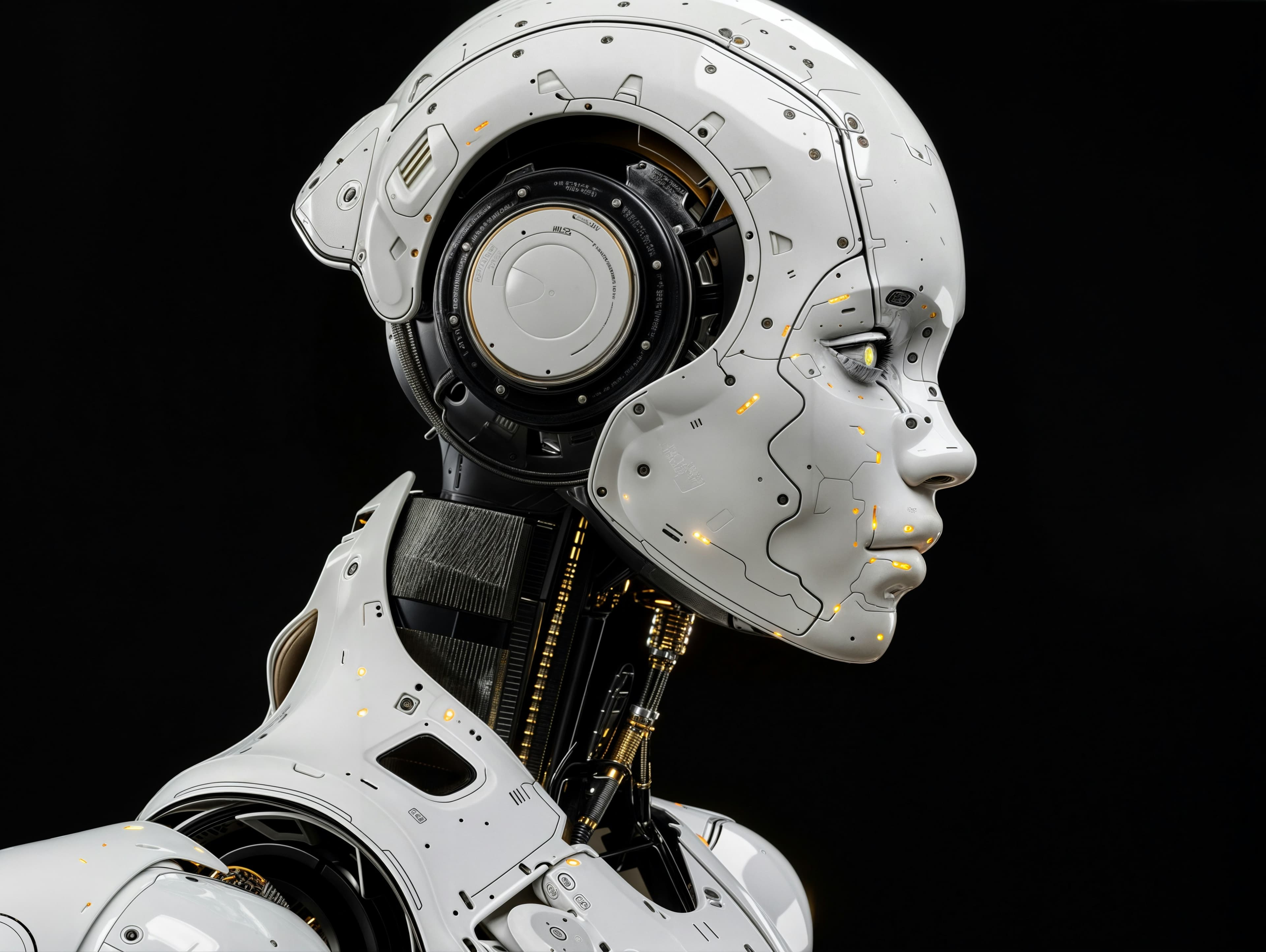
A hobby robot dodging obstacles in a living room and a robotic arm welding a car share more DNA than you might expect. Both come down to the same loop: sense, decide, act, repeat.
The control loop is everything
Every robot runs some version of this cycle:
- Sense the world (encoders, cameras, distance sensors).
- Estimate its own state from noisy readings.
- Decide the next move against a goal.
- Actuate motors, then measure the result and correct.
The faster and more accurate that loop, the more capable the robot.
What changes with scale
Moving from hobby to industry mostly changes the stakes, not the concepts:
- Precision goes from millimetres to microns.
- Safety becomes a hard requirement — arms that share space with people need certified stops.
- Reliability is measured in years of continuous duty.
Where to begin
You do not need a factory to learn robotics. A microcontroller, two motors with encoders, and a distance sensor teach the entire control loop. Everything after that is refinement.
A robot is just a control loop wearing hardware.
The principles that steer a hobby rover are the same ones that guide a surgical robot — only the tolerances differ.