
Getting Started with Embedded Systems
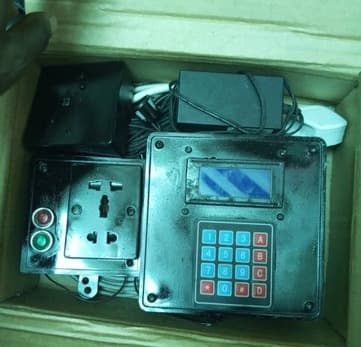
An embedded system is a computer that does not look like a computer. It hides inside a washing machine, a car, a water tank controller — dedicated to one job, and expected to do it for years without a reboot.
The constraints define the craft
Desktop software assumes abundance: gigabytes of RAM, a fast CPU, endless power. Embedded work assumes the opposite.
- Memory is measured in kilobytes.
- Power may come from a battery that must last months.
- Timing is often hard — a late response is a wrong response.
The typical toolkit
A first project usually involves:
- A microcontroller (Arduino, ESP32, STM32).
- A handful of sensors and actuators.
- C/C++ or increasingly Rust for the firmware.
- A way to debug without a screen — usually a serial log and a logic analyzer.
A concrete starting point
Our automatic water-level controller is a textbook embedded problem: read a level sensor, compare against set points, switch a pump, and never overflow the tank — all on a chip with a fraction of the memory of a smartwatch.
In embedded, the most important feature is the one that never fails.
Start small, measure everything, and respect the constraints. They are not limitations — they are the discipline that makes the field interesting.